GIB Fixing Cost Auckland 2026: Price Per m² & Per Sheet
GIB Fixing Cost Auckland 2026: Price Per m² & Per Sheet
GIB® fixing costs $10 – $16 per square metre for labour only in Auckland, or $25 – $33 per square metre supplied and fixed in standard 10mm board. That works out at $29 – $46 or $72 – $95 per standard sheet. Specialty boards for wet areas, bracing and fire rating push the supplied and fixed rate to $38 – $58 per square metre.
Fixing is the first half of the lining job: hanging the plasterboard on the framing. It is quoted separately from stopping, priced on a different basis, and it is where most of the material cost sits. Get the fixing budget wrong and the whole interior programme moves.
This guide gives you the per square metre and per sheet rates an Auckland builder should be working to in 2026, shows how much the board type changes the number, and explains the thing that confuses almost every homeowner: why fixing and stopping arrive as two separate quotes.
Full 3-bedroom new build (300m² lining), supply and fix
$8,500 – $12,500
A standard GIB sheet is 2400mm x 1200mm, which is 2.88m². Every per-sheet figure in this guide is the per square metre rate multiplied by 2.88, so you can convert between the two units and compare quotes that use different bases.
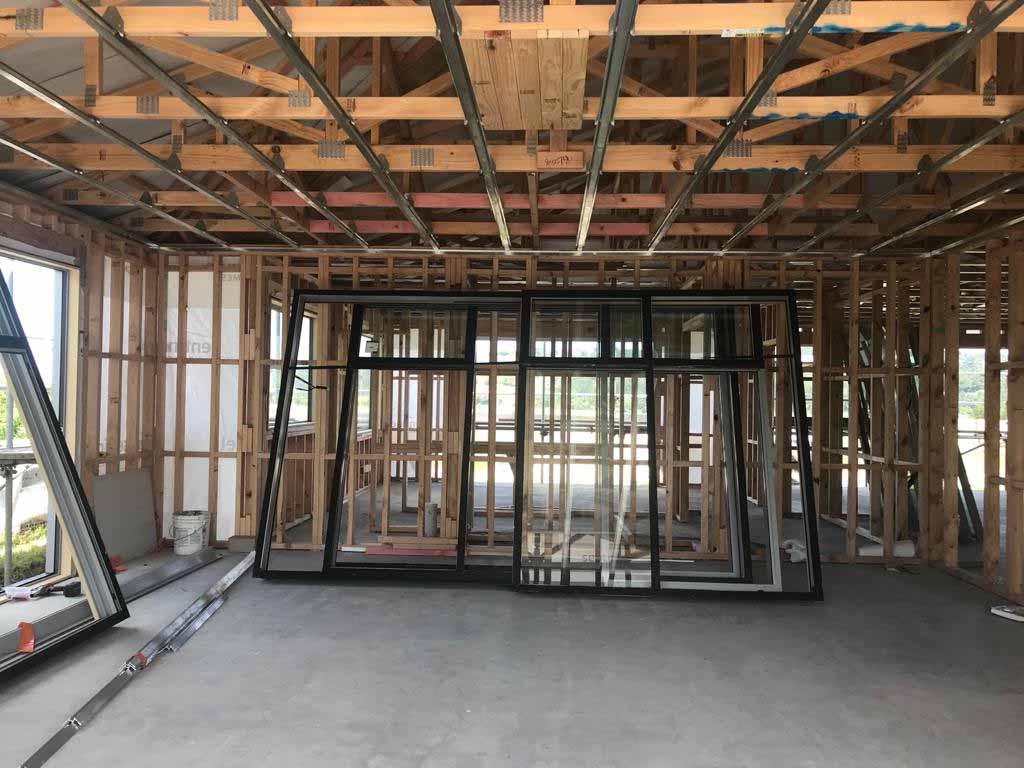
Fixing starts the moment the framing, services and insulation pass inspection. Straight framing is what makes a fixing rate hold.
What GIB fixing actually involves
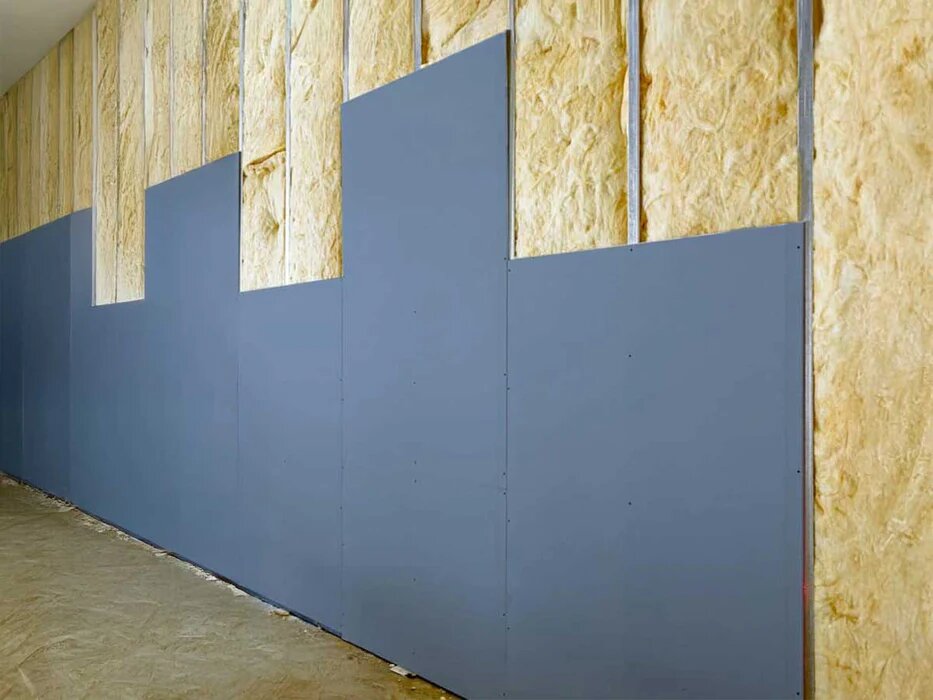
GIB fixing in Auckland is the trade that turns a framed shell into lined rooms. A fixer measures and cuts every sheet, lifts it into place, and screws it off to a specified fixing schedule, usually 200mm centres on ceilings and 300mm on walls, tighter where the wall is a bracing element. Ceilings go up first, then walls, with adhesive dabs and screws working together to hold the sheet flat.
The parts that cost time are not the flat runs. They are the cut-outs around windows, doors, downlights, vents and cavity sliders; the sheet layout planning that minimises butt joints; and getting sheets onto a ceiling at height. A good fixer will also pack out a bowed stud rather than letting it telegraph, a five-minute job at fixing stage that costs an hour of compound later.
GIB fixing cost per square metre and per sheet
Auckland fixing labour runs $10 – $16 per square metre of lining, or $29 – $46 per standard sheet. If the fixer supplies the board as well, budget $25 – $33 per square metre for standard 10mm, or $72 – $95 per sheet.
What sits inside a supply-and-fix rate
The gap between “labour only” and “supply and fix” is not just the board price on the shelf. Here is the build-up on standard 10mm board:
Component
Per m²
Notes
GIB board, trade price
$8.50 – $9.50
Retail is $11.08/m² ($31.90 a sheet)
Cut and waste allowance
$1.00 – $3.00
10 – 15% is normal; more on chopped-up plans
Screws, adhesive, packers
$1.50 – $2.50
Delivery and hiab lift-in
$1.50 – $3.00
$450 – $900 a house, spread over the area
Fixing labour
$10.00 – $16.00
The number that moves most
Overhead and margin
$2.50 – $4.00
Supply and fix total
$25 – $38
Every component maxing at once is rare, so the typical quoted band is $25 – $33
This is why a fixer quoting supply and fix at $18/m² is either using a different scope, has left the ceiling out, or has not allowed for waste. Ask what the rate includes before you decide it is a bargain.
How board type changes the price
Board choice is the biggest single swing in a fixing budget, and no house uses one board throughout. Specialty boards cost more to buy and more to fix: they are heavier, they need specific screw patterns, and bracing and fire-rated walls have to be installed to a system that gets signed off.
Board
Where it goes
Retail per sheet
Board $/m²
Fixing labour
Supply & fix $/m²
Supply & fix per sheet
GIB Standard 10mm
General walls and ceilings
$31.90
$11
Baseline
$25 – $33
$72 – $95
GIB Standard 13mm
Ceilings at wider batten centres, better sag resistance
$46.50
$16
+10%
$31 – $41
$89 – $118
GIB Aqualine® 10mm
Bathrooms, ensuites, laundries, toilets
$64.50
$22
+15%
$38 – $50
$109 – $144
GIB Braceline®/Noiseline® 10mm
Bracing walls, inter-tenancy and acoustic separation
$58.77
$20
+25%
$39 – $52
$112 – $150
GIB Fyreline® 13mm
Fire-rated walls, garage-to-house, apartments
$63.10
$22
+30%
$42 – $58
$121 – $167
Standard 10mm is your default and the cheapest thing on site. Standard 13mm is worth specifying on ceilings where batten centres are wide, because it resists sagging over time. It is a cheap insurance policy against a wavy ceiling.
Aqualine is a water-resistant core for wet areas. It is double the price of standard board, but wet-area failures are the most expensive interior defect there is. Our guide to the best plasterboard for bathrooms, laundries and kitchens covers where it is required versus where it is optional.
Braceline/Noiseline does two jobs. It braces the structure against wind and earthquake loads, and its denser core cuts sound transmission between rooms. Bracing walls have a mandatory fixing schedule, and getting it wrong is a consent problem, not a cosmetic one. That compliance load is why the labour premium is higher than the board price difference alone suggests.
Fyreline is fire-rated board for garage-to-house walls, inter-tenancy walls and apartments. Like bracing, it only performs as part of a tested system, so the detailing around junctions and penetrations is exacting and slow.
Acoustic and bracing board is heavier and has a tighter screw pattern. Both add labour on top of the higher sheet price.
Why fixing and stopping are quoted separately
This is the single most common source of confusion when homeowners collect lining quotes, and it produces some very unfair comparisons. There are five real reasons the trades are priced apart.
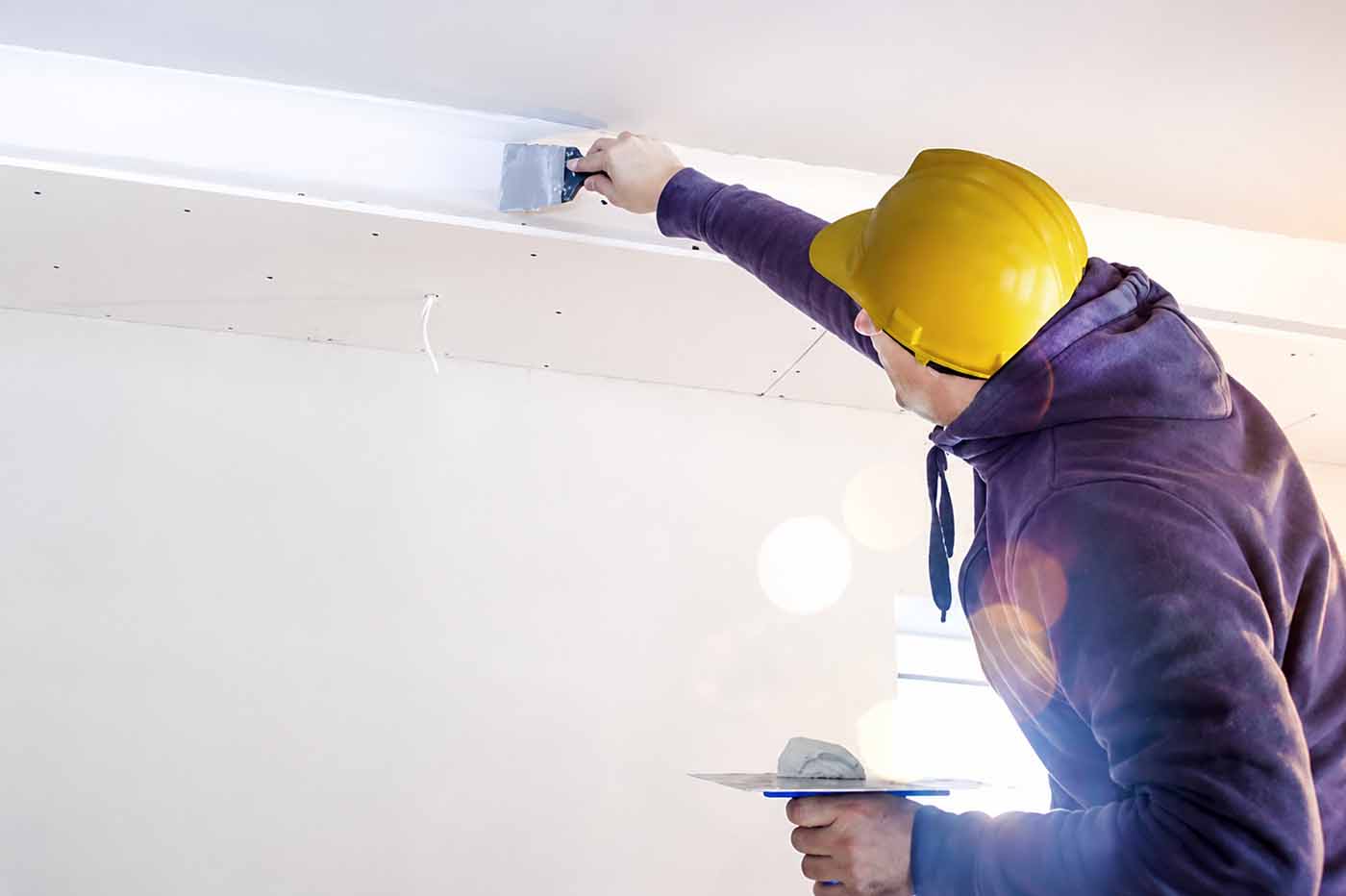
1. They are different skills. Fixing is closer to carpentry: measuring, cutting, lifting, screwing to a schedule. Stopping is a finishing trade built on compound, feathering and sanding. Plenty of crews do both, but they are separate line items because they are separate bodies of work.
2. They price on different units. Fixing is naturally a per-sheet job, a repeatable unit task where the sheet count genuinely predicts the time. Stopping is a per-square-metre job worked in passes across whole rooms, where joint length and corner count matter far more than sheet count.
3. They sit in different places on the programme. Fixing a three-bedroom house takes two to three days. Then the stopping happens over four to seven days, most of which is waiting for compound to dry between coats. Bundling them into one price hides a week of programme.
4. Fixing carries compliance that stopping does not. Bracing and fire-rated walls have to be fixed to a specified system and are inspected. That documentation trail belongs to the fixer.
5. It keeps liability clear. When a joint cracks a year later, the cause is framing movement, the fixing pattern, or the stopping. Separate quotes mean a clear line of responsibility instead of an argument. If you want the detail on where one trade ends and the other begins, our explainer on GIB fixing vs GIB stopping walks through both processes.
The trap when you compare quotes
The mistake is comparing a fix-only quote against a fix-and-stop quote and concluding the first company is cheaper. On a 300m² house that is a $9,000 – $13,500 difference, which is the entire stopping package. Before you put any two lining quotes side by side, check five things:
Does the price include the board, or is it labour only?
Does it include stopping, or does it stop at screwed-off board?
What finish level the stopping is priced to, room by room.
What board schedule it assumes, especially for wet areas, bracing and fire-rated walls.
Whether GST is included. That alone is a 15% swing.
Stopping is a separate quote, a separate trade and a separate week. It starts where fixing finishes.
What a builder should budget on an Auckland new build
A typical 150m² three-bedroom Auckland new build carries around 300m² of lining once walls and ceilings are counted. It will never be one board type. Here is a realistic mix and what it costs to supply and fix in 2026:
Board
Area
Rate
Cost
GIB Standard 10mm, general walls and ceilings
235m²
$29/m²
$6,815
GIB Aqualine, two bathrooms and laundry
30m²
$44/m²
$1,320
GIB Braceline/Noiseline, bracing elements
25m²
$45/m²
$1,125
GIB Fyreline, garage-to-house wall
10m²
$50/m²
$500
High-work allowance, stairwell and raked ceiling
–
Allowance
$400
Supply and fix subtotal (ex GST)
$10,160
Level 4 stopping, same house
300m²
$36/m²
$10,800
Full lining package (ex GST)
$20,960
Including GST
$24,104
That works out at $34/m² to supply and fix and $70/m² for the complete lining package, right where a well-specified Auckland new build should land. Builders pricing a job fast can use $33 – $36/m² for supply and fix and $68 – $72/m² for the full package as a first-pass allowance, then refine once the board schedule is confirmed.
Wet areas are a small share of the lining area but a large share of the board budget. Aqualine is roughly double the price of standard board.
What pushes an Auckland fixing price up
Ceiling height. Above 2.4m you are on trestles for longer; above 3m you need scaffolding and two people on every sheet. Expect 15 – 25% more.
Small, chopped-up rooms. Price follows cuts, not floor area. Four small bedrooms cost more to line than one large open-plan space of the same area.
Access and lift-in. A house a hiab can reach is cheaper than one where sheets are carried down a right-of-way. Second-storey work without crane access adds real hours.
Renovation over new build. Add 15 – 30% for protection, dust control, working around existing finishes and framing that was never flat.
Long sheets. Specifying 3.6m or 4.8m sheets costs slightly more to handle but removes butt joints, which saves more on the stopping bill than it adds here.
Waste allowance. Complex plans push waste from 10% toward 15%, and someone pays for the offcuts either way.
Where fixing sits in the interior programme
Fixing is the pivot point of the interior fit-out. Everything before it, from framing and plumbing to electrical, insulation and the pre-line inspection, has to be signed off, because once the board goes on, nothing behind it is accessible without cutting. Everything after it inherits the flatness that fixing delivered.
That is why the three interior trades are best thought of as one chain: fix, stop, paint. A painting crew such as Painters North Shore will confirm that most of what looks like a paint defect, whether that is a visible joint, a shadow line down a wall or a wavy ceiling, was actually decided at fixing or stopping stage. The last trade in the chain gets blamed for the first trade’s decisions.
Frequently asked questions
How much does GIB fixing cost per m² in Auckland?
$10 – $16 per square metre for labour only, or $25 – $33 per square metre to supply and fix standard 10mm board. Specialty boards such as Aqualine, Braceline/Noiseline and Fyreline run $38 – $58 per square metre supplied and fixed.
How much does GIB fixing cost per sheet?
$29 – $46 per standard 2400 x 1200mm sheet for labour only, or $72 – $95 supplied and fixed in standard 10mm. Confirm whether a per-sheet quote means physical sheets or 2.4m sheet equivalents, because a 4.8m sheet is two sheets’ worth of area.
How much does it cost to GIB a 3-bedroom house in Auckland?
Budget $8,500 – $12,500 plus GST to supply and fix a typical 150m² three-bedroom home with around 300m² of lining. Adding Level 4 stopping takes the full lining package to roughly $17,500 – $26,000 plus GST.
Why is GIB fixing quoted separately from stopping?
They are different trades, priced on different units, sitting a week apart on the programme. Fixing also carries compliance obligations for bracing and fire-rated walls that stopping does not. Quoting separately keeps responsibility clear if a joint fails later.
How long does GIB fixing take?
Two to three days for a three-bedroom house with a two-person crew, assuming the pre-line inspection has passed and the site is clear. Stopping then runs another four to seven days, driven mostly by drying time between coats.
Is it cheaper to supply my own GIB board?
Rarely. A fixer on a trade account buys board 15 – 25% below retail and knows the sheet schedule, so DIY supply usually costs more once waste and a second delivery are counted. It also splits responsibility: if the board is short, damaged or the wrong type, that becomes your problem and your delay.
Does GIB fixing include the stopping and sanding?
No. Fixing ends when the board is on the wall and screwed off. Taping joints, stopping fastener heads, coating and sanding are all part of the stopping package and quoted separately.
Get an accurate GIB fixing quote for your Auckland project
Above Board Interiors has been supplying, fixing and stopping plasterboard across Auckland since 2007, more than 2,000 projects, from single rooms to apartment towers. We quote fixing and stopping as separate, clearly scoped line items with the board schedule stated, so you can see exactly what you are buying and where the money goes.
For a fixed price on your project, get in touch or call 021 446 716.