When Fire-Resistant Plasterboard Makes Sense for Your Property
Choosing The Best Roof Colour
Fire safety is a key consideration in any building or renovation project, yet it is often overlooked until later stages. One way to enhance fire protection in walls and ceilings is to use fire-resistant plasterboard. Unlike standard plasterboard, fire-resistant boards are designed to slow the spread of fire, giving occupants more time to evacuate and helping to protect the structural integrity of a building.
As plasterers in Auckland, we work with homeowners, builders, and renovation clients across Auckland to recommend the most suitable plasterboard systems for each space. Choosing the right products and installing them correctly improves safety, compliance, and long-term performance. In this guide, we explain what fire-resistant plasterboard is, when it makes sense to use it, and why professional installation matters.
Call us at 021446716Request A free Quote Today!
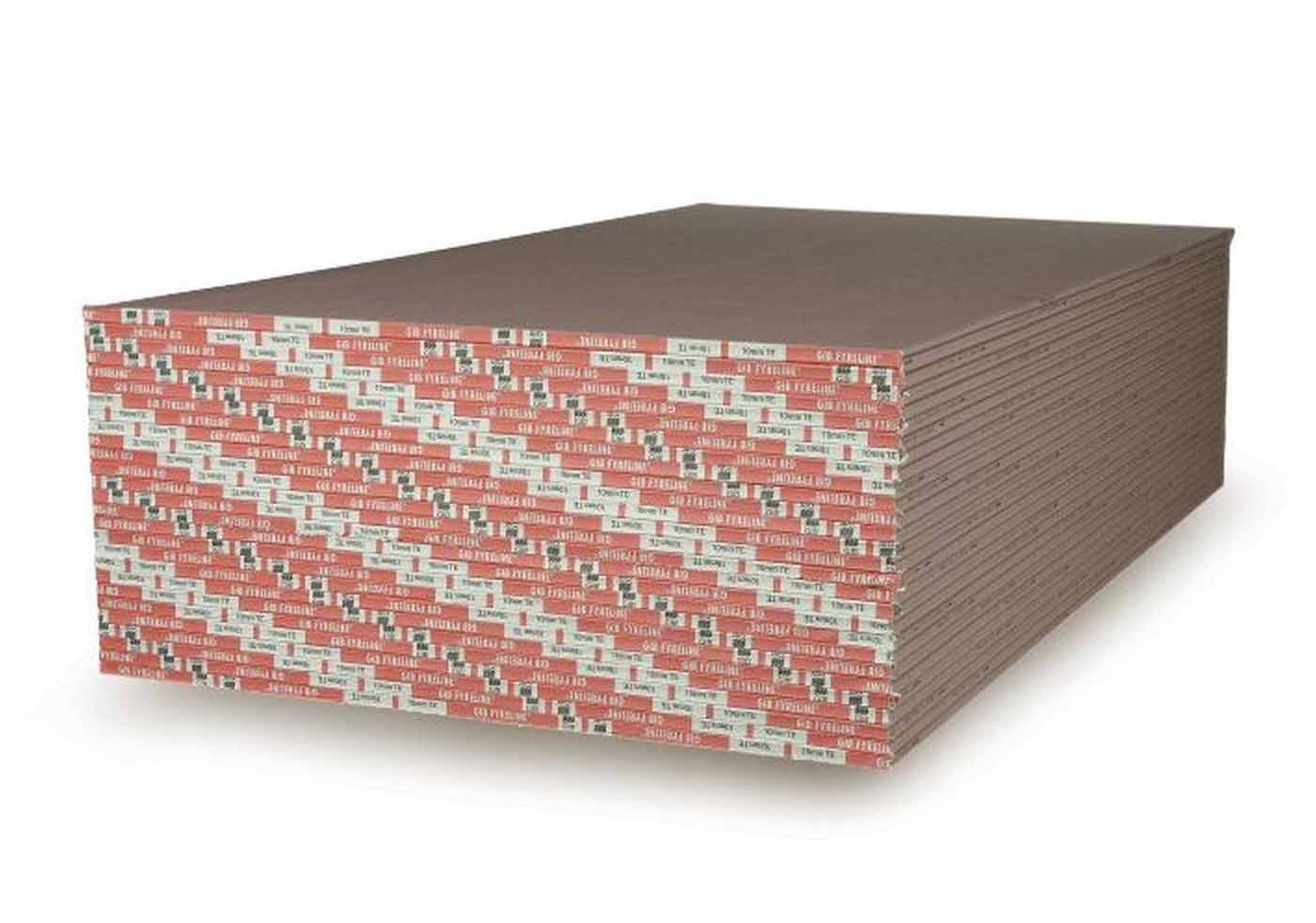
What Is Fire-Resistant Plasterboard?
Fire-resistant plasterboard is a specialised type of plasterboard that incorporates additives such as glass fibres or other materials to improve its resistance to heat and fire. These boards are rated according to how long they can withstand exposure to fire before losing integrity, with common ratings being 30, 60, or 90 minutes. The higher the rating, the longer the board can resist heat transfer.
Unlike standard plasterboard, fire-resistant plasterboard continues to limit the passage of heat and flames for a specified period, which is crucial in a fire event. This extra protection can help reduce damage, protect escape routes, and support compliance with building codes in certain areas of a home or commercial space.
When Fire-Resistant Plasterboard Is Recommended
Fire-resistant plasterboard is not necessary for every interior wall or ceiling. However, there are several situations where it makes practical sense:
1. Areas with Specific Building Code Requirements
Some areas of a home or commercial building have regulatory requirements for fire separation. For example, garages attached to a house often require a higher level of fire protection between the garage and living spaces. Similarly, walls around internal machinery rooms or between separate units in multi-unit dwellings may need fire-resistant systems.
Our team can help determine whether your specific project needs compliance with particular fire rating standards and ensure the correct board type is used.
2. Close to Heat Sources
Rooms adjacent to heat sources such as fireplaces, wood burners, stoves, and some heaters benefit from fire-resistant plasterboard. Although New Zealand building codes provide general guidance, consulting professionals will ensure you select the right board for the setting and local conditions.
When walls or ceilings are exposed to higher temperatures or fluctuating heat, specialist boards provide an extra layer of assurance.
3. Multi-Unit and Shared Walls
In duplexes, townhouses, or apartment complexes, shared walls may be required to have fire-resistant plasterboard systems. These partitions often form part of a fire separation design that protects occupants and neighbouring homes. Installing fire-resistant plasterboard on both sides of a partition helps meet these safety requirements.
If your renovation touches on shared walls or semi-attached structures, it’s important to plan fire protection early. Our team’s experience with GIB® Fixing and GIB® Stopping means we can advise on the right approach for fire safety and quality finish.
4. Roof Spaces and Eaves
Roof spaces can spread fire quickly because they often contain voids and combustible materials. In some builds, especially in older homes or those with complex ceiling shapes, incorporating fire-resistant plasterboard in select areas can slow fire spread and protect escape routes.
Before you commit to a full repaint or renovation, consider whether fire-resistant solutions could improve safety without significant visual impact.
The Role of Professional Installation
Choosing fire-resistant plasterboard is only part of the solution. Correct installation plays a significant role in achieving the expected performance.
Fire-resistant systems require particular attention to:
- correct board type and thickness
- appropriate spacing and fixing methods
- specified joint treatments and sealing
- integration with other structural elements
Improper installation can compromise the fire rating, reducing safety benefits. This is why it is worth engaging experienced professionals like Above Board Interiors. Our team understands how different plasterboard systems perform and how to install them to meet performance and compliance expectations.
Get in Touch
While fire resistance is the primary reason to choose these specialised boards, there are additional advantages:
- Enhanced acoustic performance: Fire-resistant boards often improve sound insulation, which is useful between rooms or flats.
- Durability: These boards tend to be denser and stronger, resisting knocks and dents better than some standard options.
- Peace of mind: Knowing your home’s structure has improved protection can be reassuring, especially for high-risk areas.
If you are planning renovations that extend beyond fire safety, integrating this choice with your broader design goals will yield a smarter outcome.
Common Misconceptions About Fire-Resistant Plasterboard
Some homeowners assume fire-resistant plasterboard is only needed in commercial buildings. In reality, many residential builds benefit from it in targeted locations. The need depends on usage, proximity to heat, and building code requirements.
Another misconception is that installation is simple and can be done like regular plasterboard. In truth, specialised boards often require subtle differences in fixing, handling, and finishing. Professional installers know how to achieve a high-quality surface without compromising safety.
Before you pick up a sheet yourself, consider how expert advice could save time and avoid rework.
How Above Board Interiors Can Help
If you are unsure whether fire-resistant plasterboard is right for your project, our experienced team is here to guide you. We assess your space, explain options, and recommend solutions that fit your safety needs and budget.
Our services that support better outcomes include:
- Interior Plastering in Auckland to create a smooth, consistent finish
- GIB® Fixing and Stopping for reliable plasterboard installation
- House Painting to complete your project with a polished finish
Get Fire Protection and Quality Workmanship
Choosing the right materials for your walls and ceilings has long-term implications for safety, comfort and value. Fire-resistant plasterboard is not always necessary, but when it is, it plays a vital role in protecting your home and the people in it.
If you would like guidance on fire-resistant solutions or how they integrate with your renovation goals, contact Above Board Interiors for a free consultation and quote. We will help you understand your options and plan a quality outcome you can trust.