
No More Drips: How to Fix Paint Runs Without Repainting Your Walls
How to Fix Paint Runs Without Repainting Your Walls
Paint drips and runs are a common issue for homeowners tackling their own painting projects. Even a small run can stand out once the paint dries, leaving the wall looking uneven or messy. The good news is that most paint runs can be fixed without repainting the entire wall. With careful technique, you can remove drips, smooth the surface, and touch up the affected area so the finish looks clean and consistent again.
At Above Board Interiors, we often help homeowners correct DIY paint mishaps. Painting seems straightforward, but achieving a smooth, professional finish takes patience, preparation, and the right approach for each surface. If you have noticed drips or streaks on your interior or exterior walls, here are the steps you can take and when it is best to call a professional.
Get a QuoteRequest A free Quote Today!
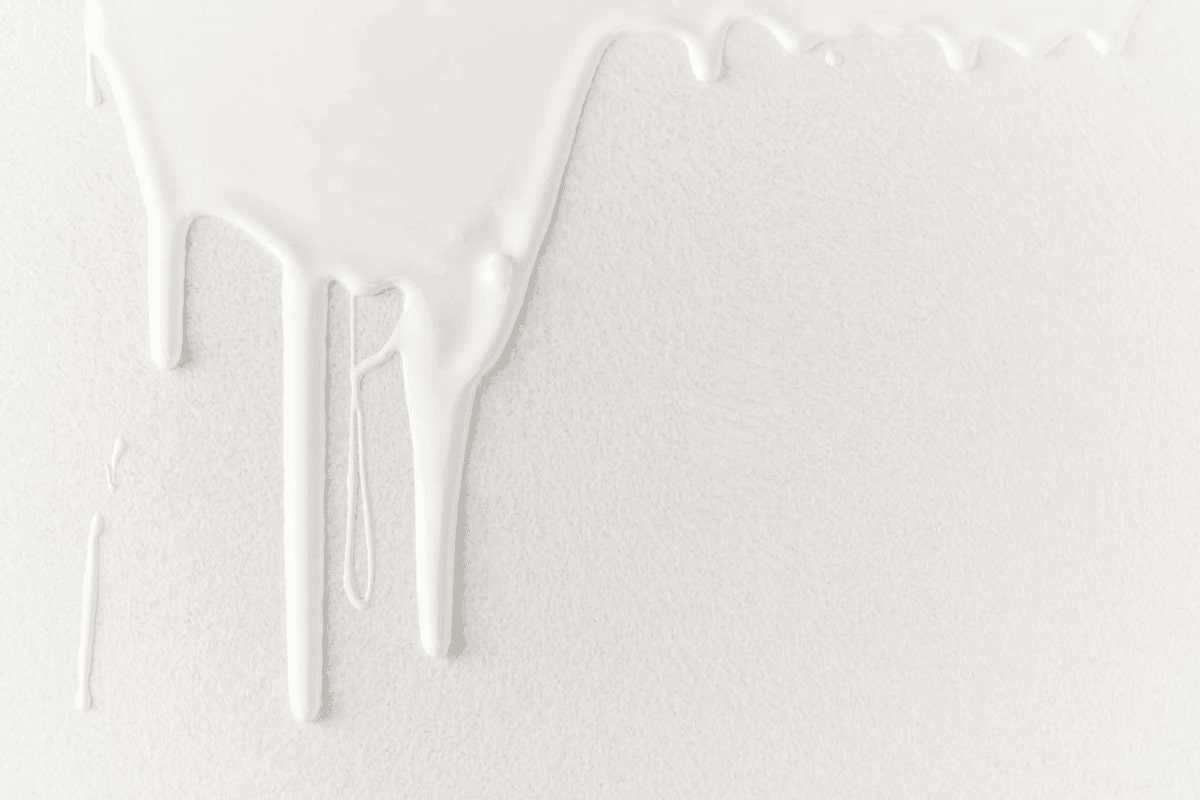
Why Paint Runs Happen
Paint runs occur when too much paint is applied in one spot. This causes the wet paint to sag and form a drip before it dries. Common causes include:
- overloaded rollers or brushes
- painting too slowly
- holding the brush at the wrong angle
- using thin or low-quality paint
- painting over glossy surfaces without proper preparation
- applying paint in humid or cold conditions
Although these issues are easy to make, they are not always easy to fix. The key is to let the paint dry completely before attempting any repairs.
Step One: Let the Paint Dry Fully
Never try to wipe or correct a paint run while it is still wet. This usually spreads the paint, creates smudges, and makes the problem worse. Instead, allow the paint to dry completely. Once it has hardened, you can safely sand and smooth the affected area.
In Auckland’s climate, drying times vary depending on humidity and temperature. Interior paint usually dries within a few hours, but drying can be slower in winter or damp conditions. Always wait until the paint is firm to the touch.
Step Two: Lightly Sand the Drip
Once the paint is dry, use fine sandpaper to smooth the run. A 180-240 grit sandpaper works well for most walls. Gently sand until:
- the raised drip is level with the surrounding wall
- the surface feels smooth under your fingertips
- the edges of the area blend naturally into the rest of the wall
Be careful not to over-sand or create a flat patch. The goal is to level the run without damaging the layers underneath.
If the underlying plaster is exposed or you notice dents or cracks, it may need a touch-up of filler first. In those cases, you can seek us out for Interior Plastering in Auckland.
Step Three: Wipe Away Dust and Apply a Thin Touch-Up Coat
After sanding, wipe away any dust with a dry cloth. Do not use a damp cloth because moisture can affect how the new paint adheres.
Apply a small amount of paint using a brush rather than a roller. A thin, controlled layer helps prevent new runs and allows the area to blend better with the original paint. Feather the edges of the touched-up paint so it fades naturally into the surrounding area.
In most cases, one or two thin coats will cover the sanded area and restore an even finish.
When Drips Indicate a Bigger Issue
Sometimes what looks like a simple paint run is actually a sign of an underlying problem. These issues often require professional attention:
Uneven plaster or textured patches
If the wall was not properly prepared before painting, paint drips can be more noticeable. Poor preparation also leads to inconsistent sheen levels and visible roller marks. Our team can repair and smooth surfaces properly before repainting. Learn more on GIB Fixing and Stopping.
Moisture problems
If walls are damp, paint may sag, peel, or fail to dry correctly. This is common in older Auckland homes or in areas with poor ventilation. Addressing moisture is essential before repainting or repairs.
Low-quality paint
Cheap paint often runs more easily, takes longer to dry, and provides poor coverage. Using premium paint makes a big difference to the final result.
If you suspect any of these issues, it is worth having a professional assess the wall. Fixing the base layers often prevents repeat problems in the future.
Fixing Exterior Paint Drips
Exterior paint runs are repaired in the same way but require greater care. Exterior surfaces are exposed to UV, rain, and temperature changes, so the preparation and touch-up paint must match the original system.
If your exterior paint is peeling, chalky, or cracking, you may need more extensive preparation. Proper exterior painting includes cleaning, sanding, priming, and applying weather-resistant topcoats. See how we approach this in our interior painting services.
When It Is Best to Call a Professional
You can fix most minor drips yourself, but there are times when bringing in experts provides better, faster, and longer-lasting results.
Consider calling Above Board Interiors if:
- the drips are large or cover a wide area
- the wall has underlying plaster issues
- there are signs of moisture or bubbling paint
- the paint finish is uneven across the entire wall
- you want a perfectly smooth, professionally painted finish
Our team has the tools, techniques, and experience to correct runs, improve wall surfaces, and repaint areas seamlessly. If you are redecorating, renovating, or simply want a clean and tidy home, we can help.
Let Above Board Interiors Fix Your Paint Problems
If your walls have noticeable drips, streaks, roller lines, or uneven patches, we can help restore a clean, professional finish. We repair the surface correctly, repaint areas with precision, and ensure the results blend perfectly with your existing walls.
Our local interior plastering team in Auckland provides quality workmanship backed by years of experience. Get in touch today for a free quote and expert advice. Your walls will look better than ever with Above Board Interiors.