What A Level 4 Finish Is
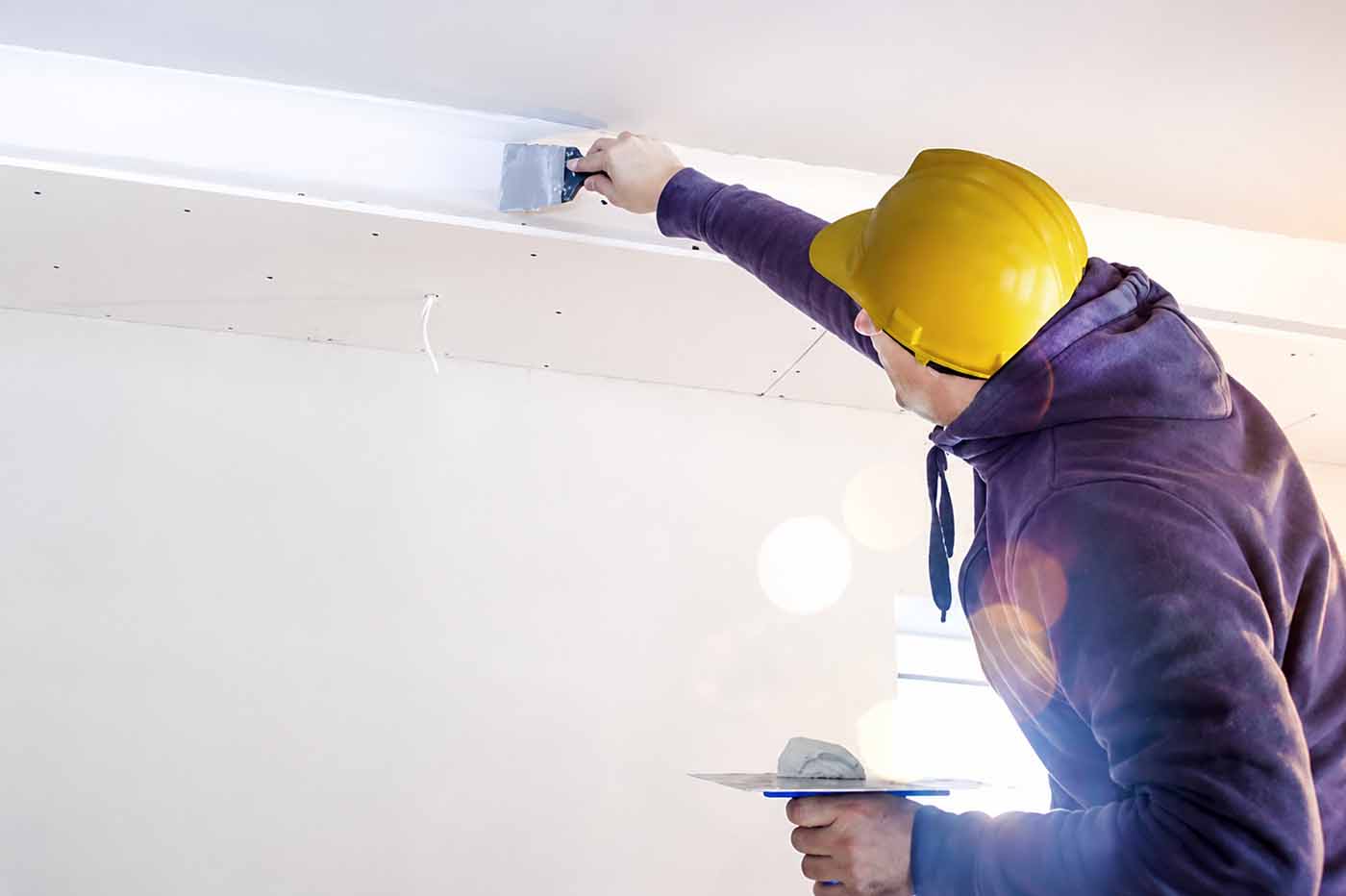
A Level 4 finish is the standard most people are looking for when they want smooth walls and ceilings ready for paint. It involves properly fixed plasterboard, taped joins, stopped fasteners, multiple coats of compound over the joints, and sanding to prepare the surface for decorating.
For many homes, this is the right fit. Bedrooms, hallways, living areas, and standard ceilings usually suit Level 4 well, especially where the lighting is fairly balanced and the room is not exposing the surface from every angle. When the fixing is good and the stopping is done properly, Level 4 can give you a very tidy result.
That is why the earlier stages matter too. If the plasterboard is not fixed well, the stopping has to work harder to compensate. Our GIB® fixing specialists and GIB® stopping team are designed to work together so the finish starts from the right base.
What A Level 5 Finish Is
A Level 5 finish builds on the standard stopping process by adding a skim coat across the full wall or ceiling surface. The goal is to reduce the texture difference between the face of the plasterboard and the stopped areas, creating a more even look once painted.
This finish is worth considering when the room is less forgiving. Large open-plan walls, strong natural light, darker paint colours, feature lighting, and modern interiors with long flat surfaces can all make small imperfections easier to see. In those spaces, a standard finish may still be good, but Level 5 gives you a better chance of achieving a cleaner visual result.
We often find Level 5 makes the most sense in homes where the client is aiming for a sharper, refined look and wants the surfaces to hold up well under demanding light. Our interior plastering work often comes into that conversation when the finish standard needs to go a step further.
When Level 4 Is Usually Enough
For a lot of residential work, Level 4 is enough. If the room has standard lighting, normal paint colours, and a practical day-to-day use, there is often no reason to go further. It is a good fit for family homes, straightforward renovations, rental upgrades, and projects where you want a professional finish without increasing the plastering scope unnecessarily.
We do not believe in pushing a higher finish level where it does not add value. The goal is to match the finish to the room. If a standard Level 4 will give you the result you need, that is the right call.
When Level 5 Makes More Sense
Level 5 becomes more worthwhile when the room itself is likely to expose flaws. Strong side light from large windows, long corridors, open living spaces, ceilings with feature lighting, and minimalist interiors all make the surface more visible. In those conditions, even small inconsistencies can stand out once the paint is on.
It can also be the better choice when you are using darker or lower-sheen finishes, or where the design calls for a cleaner, flatter look overall. The key is deciding this early. It is much easier to choose the right finish level before the stopping starts than to repaint later and realise the wall is still not reading the way you expected.
If the project is flowing through to the final decorating stage, our house painting team can help make sure the paint system suits the finish underneath.
It Comes Down To Light, Surface Quality, And Expectations
A big part of this choice is visual. The same wall can look completely different depending on the time of day, the angle of the light, and the type of paint being used. That is why we always look at the room in context instead of treating every surface the same.
Good stopping is not only about hiding joins. It is about understanding how the finished room will look and feel once it is painted and lived in. That is where experience matters. We know which spaces are forgiving and which ones are likely to need a higher finish standard to look right.
Talk To Us Before You Decide
If you are unsure whether Level 4 or Level 5 is the better fit, the best starting point is the room itself. We can look at the lighting, the surface condition, and the kind of result you want, then recommend the finish level that makes the most sense.
Some rooms genuinely benefit from a full skim coat. Others do not need it. The important thing is making the decision based on the final outcome you want, rather than guessing halfway through the job.
Get in Touch