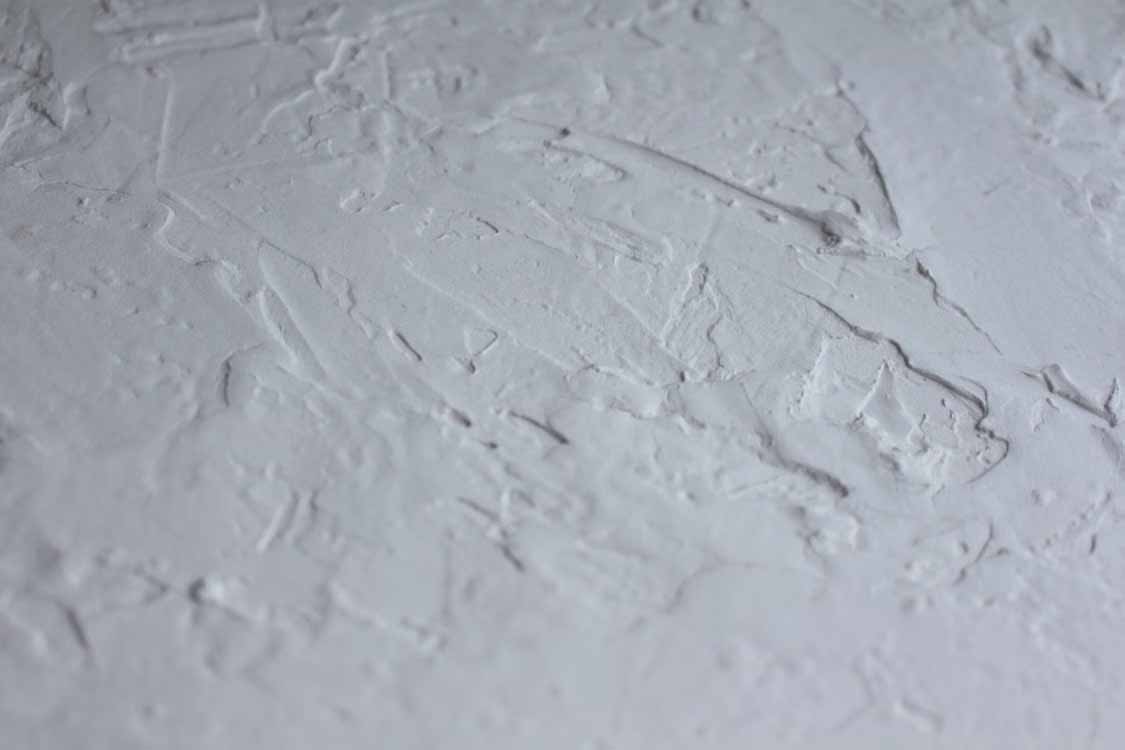
Start By Looking Along The Wall, Not Straight At It
One of the easiest ways to assess plastering is to stand to the side and look across the wall or ceiling, rather than facing it head-on. Side angles show bumps, waves, raised joints, and inconsistent stopping far more clearly.
A surface can look fine when you are standing in front of it. As soon as you shift position, you may notice:
- ridges running along GIB joints
- patches sitting proud of the wall
- shallow hollows where compound has shrunk back
- uneven sanding marks
- inconsistent flatness across larger areas
This is especially important in rooms with strong natural light, long hallways, and open-plan spaces where walls get washed by sunlight during the day.
Check The Joints And Screw Lines
Poor stopping often shows up first at the joins. If you can still see where one sheet ends and the next begins before painting, that is a warning sign. The same goes for screw lines that are visible or only lightly covered.
A properly finished surface should not have obvious tape lines, raised seams, or repetitive screw patterns showing through. If it does, the stopping may be too thin, too rough, or simply unfinished.
This stage depends heavily on the quality of the fixing underneath. If the boards have not been set well to begin with, the stopping has to work harder to compensate. That is why our GIB® fixing specialists and GIB® stopping team are handled as connected parts of the same process.
Watch For Poor Sanding
Bad sanding leaves its own set of clues. Sometimes the wall feels rough when you run your hand over it. Other times the surface has been over-sanded, which can damage the face of the plasterboard or leave shallow scratches that become more visible after paint.
Signs of poor sanding include:
- rough or gritty patches
- circular scratch marks
- sanding lines that catch the light
- fuzzy plasterboard paper
- uneven transitions between stopped areas and the rest of the wall
The aim is a smooth, consistent surface, not a wall that has simply been sanded until it looks close enough.
Look Closely At Corners And Ceiling Lines
Internal corners, external corners, and ceiling junctions tend to reveal the standard of workmanship very quickly. A poor plastering job often looks untidy in these areas because they require more control and consistency than a flat open wall.
Things to look for include:
- wavy corners
- uneven lines where the wall meets the ceiling
- rough edges around trim
- cracking at angles
- corner beads showing through
These details matter because they affect the whole room visually. Even if the main wall area is acceptable, messy edges can make the finish feel careless.
Be Wary Of Heavy Patching
A wall with lots of patching is not automatically a bad job, but patch repairs should still blend cleanly into the surrounding surface. If patched areas stand out before painting, they usually stand out even more afterwards.
This is common in renovation work, repairs after damage, or older homes with movement and wear. In those situations, the right approach depends on the wall condition. Sometimes a local repair is enough. Other times the better option is broader skim work or re-lining.
That is where our interior plastering work comes into play. The goal is to leave the surface feeling consistent, rather than patched together.
If It Looks Bad Before Paint, It Will Usually Look Worse After
This is the part people often underestimate. Paint does not hide poor plastering. In many cases it highlights it. Low sheen, matte, and darker colours can all make surface problems more noticeable. So can downlights, feature lighting, and daylight coming in from one side of the room.
A bad plastering job often becomes obvious after painting because:
- paint catches ridges and hollows
- sheen differences expose sanding and patching
- side light makes joint lines stand out
- poor corners become sharper visually
That is why it makes sense to stop and assess the substrate properly before the decorating stage begins.
What To Do If You Spot Problems
If the surface is clearly not ready, the best step is to deal with it before paint goes on. That may mean extra stopping, better sanding, a wider skim, local repair work, or in some cases redoing sections that are too far out.
The right fix depends on the issue:
- raised seams may need further stopping and feathering
- rough sanding may need refinement
- bad repairs may need to be cut back and redone
- poor board alignment may point to fixing issues underneath
If the room is already moving toward decoration, our house painting team can also help identify whether the surface is ready or whether more prep is needed first.
Get It Right Before The Paint Goes On
The best time to spot a bad plastering job is before the painters arrive, not after the room is finished and the defects are locked in. A surface that looks flat, clean, and consistent before painting gives you a much better chance of ending up with the finish you wanted in the first place.
If you are unsure whether a wall or ceiling is ready, get in touch with us. We can assess the plastering properly, tell you what needs attention, and help make sure the paint is going onto a surface that is worth finishing.
Get in Touch