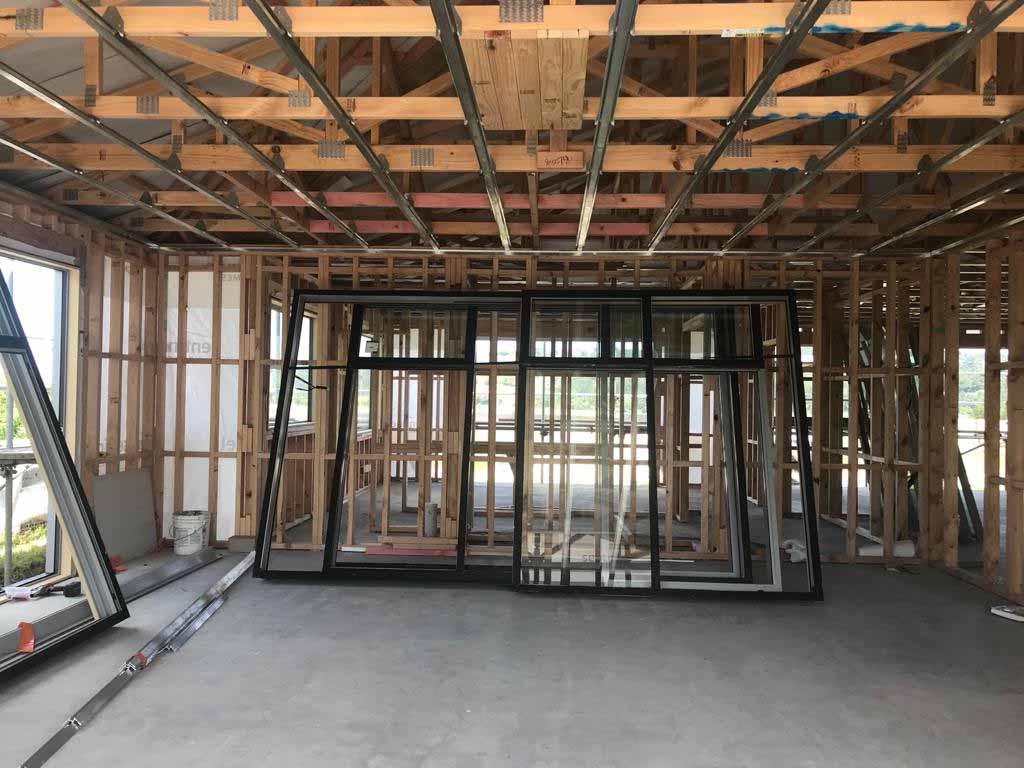
What Ceiling Battens Actually Do
Ceiling battens form the support system that plasterboard is fixed to. They sit beneath the main ceiling structure and create a level, consistent base for the sheets. Depending on the project, that might involve timber battens or metal battens, but the purpose is the same. They help correct irregularities, set the plane of the ceiling, and provide reliable fixing points.
Above Board’s Auckland suspended ceiling work specifically includes premium Rondo and Barracuda steel ceiling battens, with a focus on straightness, moisture resistance, and efficient installation. That reinforces something we see often on site: the battens matter because they influence the quality of the ceiling from day one.
Why Battening Needs To Be Done Properly
If the battens are poorly spaced, not level, or fixed without enough care, problems can show up later as:
- uneven ceiling lines
- sagging plasterboard
- cracked stopping at joins
- visible screw patterns
- shadowing under paint
These issues are frustrating because by the time they are obvious, the ceiling is already lined and finished. Fixing them properly can mean undoing work that should have been right from the start.
This is one reason we put so much focus on the setup underneath the finish. A smooth ceiling is never just about stopping. It begins with the framework.
The Basic Process of Battening a Ceiling
The exact method depends on the room, the existing structure, and the type of ceiling being built, but the general process follows a clear sequence.
Check The Existing Structure
Before anything is fixed, the ceiling structure needs to be assessed. That includes looking at joist condition, span, levels, and any services that need to run through or above the ceiling. If the base structure is inconsistent, the battens need to be set out in a way that corrects that.
Set Levels Carefully
This is where the job can be won or lost. The battens must establish a true ceiling line, not simply follow every dip and variation in the framing above. Taking time to set levels accurately helps avoid visible issues later.
Space Battens Correctly
Spacing needs to suit the plasterboard and the layout of the room. Too wide and the boards may not have adequate support. Too inconsistent and the fixing pattern becomes harder to manage. Precision at this stage helps ensure the boards sit flat and the joints land where they should.
Fix Battens Securely
The battens need to be fixed in a way that keeps them stable over time. Movement in the framework can translate into movement in the ceiling, which is exactly what you do not want once the room has been stopped and painted.
Coordinate With Lighting And Services
Downlights, vents, access points, insulation, and other services all need to be considered during the battening stage. It is much easier to coordinate these details before the plasterboard goes up than to work around them after.
Timber Vs Metal Battens
Both can be used, but they behave differently. Timber can work well in some situations, though it is more vulnerable to natural movement. Metal battens offer consistency and are less likely to twist or absorb moisture, which is part of why they are used so widely in modern ceiling systems.
For many Auckland projects, especially where straightness and long-term stability matter, metal battens are the better choice. That fits with the way we approach ceiling systems generally, particularly on suspended ceilings and higher-spec finishes.
Why This Stage Affects Everything After It
A well-battened ceiling supports every stage that follows. Our GIB fixing depends on having a reliable, level framework to fix to. From there, GIB stopping becomes cleaner and more consistent because the joints and screws are sitting where they should.
It also matters for the final finish. If you are after a ceiling that looks clean under natural light and still reads straight after decoration, the early setup matters just as much as the final coat. That is where interior plastering and house painting connect back to the same principle: the finish only performs as well as the base underneath it.
When It Makes Sense To Get Professionals Involved
Ceiling battening can sound simple in theory, but in practice it takes accuracy, planning, and experience. Renovations, older homes, feature ceilings, and rooms with lots of services all make the job less forgiving. If levels are wrong or set-out is rushed, the plasterboard stage becomes harder and the final result usually suffers.
That is why we usually tell clients to think about the whole ceiling system, not just the lining. In many cases, getting the framework handled properly from the beginning is the most efficient way to avoid rework later. For a related read, our existing blog on suspended ceilings gives useful context around ceiling structure and where different systems make sense.
Start With The Right Framework
If you are planning a renovation, extension, or new interior fit-out, the best thing you can do for a plasterboard ceiling is get the battening right. Once that framework is level, well fixed, and properly coordinated, the rest of the ceiling has a much better chance of finishing the way it should.
If you want help with the full process, from ceiling setup through to fixing, stopping, plastering, and painting, talk to us. We can assess the structure, recommend the best ceiling approach for the space, and make sure the finished result looks as good as it should.
Get in Touch