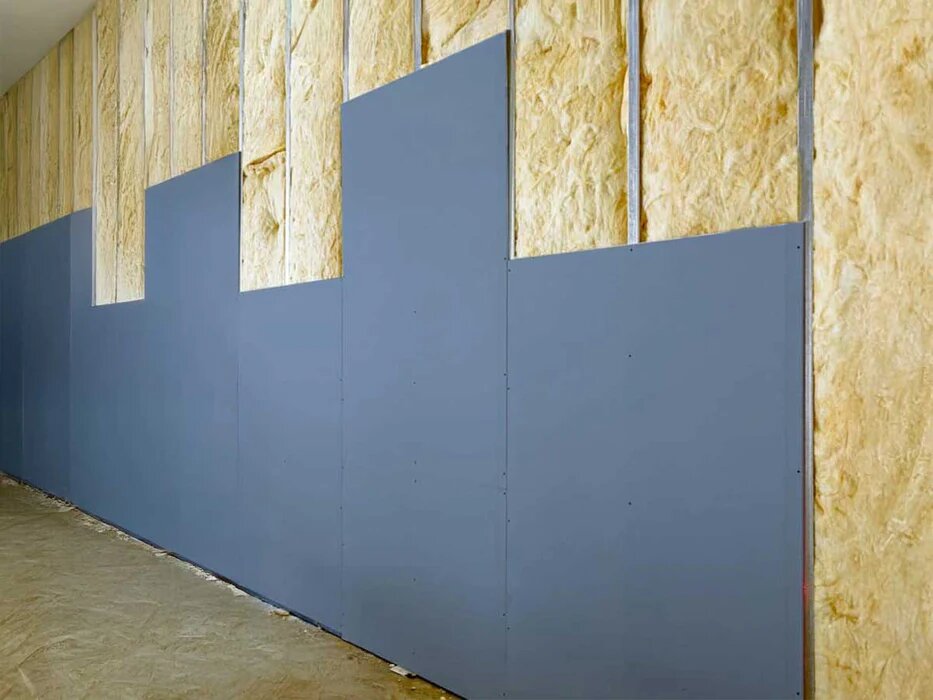
What Acoustic Plasterboard Is Meant To Do
Acoustic plasterboard is designed to help reduce sound passing from one room to another. It is usually denser than standard plasterboard and works best when it is part of a broader wall or ceiling build-up that has been planned properly.
It can help improve comfort in spaces where noise is likely to travel, such as:
- between living areas and bedrooms
- between bathrooms and bedrooms
- around media rooms or home offices
- in duplexes, townhouses, or attached living arrangements
- near laundries and utility spaces
The goal is not total soundproofing. In most residential jobs, the aim is to reduce everyday noise so the home functions better.
Where It Makes The Biggest Difference
Acoustic plasterboard tends to be most worthwhile in places where one side of the wall is noisy and the other side is meant to be quiet.
A few common examples:
- a lounge or television wall backing onto a bedroom
- a bathroom wall behind a child’s bedroom
- a toilet or plumbing wall beside a study
- a laundry beside a hallway or sleeping area
- a home office that needs better separation from family spaces
These are the kinds of layouts where a small material upgrade during construction or renovation can make the home feel much better to live in later.
Bedrooms Next To Living Spaces
This is one of the most common areas where an acoustic board makes sense. Living rooms tend to generate the kind of noise people notice most, such as voices, televisions, speakers, and late-night activity. If a bedroom shares that wall, the level of separation becomes important very quickly.
In these cases, acoustic plasterboard can help reduce the transfer of everyday noise and make the bedroom feel more private. It is especially worth considering in open-plan homes where bedrooms sit close to the main living zone.
If the wall is being newly lined or upgraded, our GIB® fixing specialists can help make sure the right board is being used in the right place from the start.
Bathrooms And Plumbing Walls
Bathrooms can carry more noise than people expect. It is not only voices. It is flushing, taps, showers, extraction fans, and plumbing movement inside the wall. If that wall backs onto a bedroom or study, acoustic performance becomes much more important.
Acoustic plasterboard can be a useful part of the solution here, though the overall wall setup matters as well. In wet or moisture-prone areas, the board choice also has to suit the conditions of the room itself.
That is why bathroom walls often need a more considered approach than standard lining. Our interior plastering work and GIB® stopping team help make sure the finish quality matches the performance requirements underneath.
When Standard Plasterboard Is Usually Fine
Not every internal wall needs acoustic plasterboard. In many homes, standard plasterboard works perfectly well in lower-impact rooms where sound separation is less critical. Spare bedrooms, wardrobes, storage walls, and less sensitive internal partitions often do not need anything more specialised.
The important thing is matching the board choice to how the room will be used. Upgrading every wall can add cost without giving you much practical benefit. Upgrading the right walls can make a real difference.
Acoustic Board Works Best As Part Of A System
This is where some people get caught out. Acoustic plasterboard helps, but it is only one part of the result. Sound transfer is also affected by framing, insulation, gaps around penetrations, door quality, and how the wall is built overall.
That means the board needs to be chosen as part of a broader plan, not treated as a magic fix. A well-designed wall with the right board in the right location will usually outperform a generic wall where the acoustic board has been added without considering the rest of the build-up.
If you are already thinking about how wall and ceiling structure affect sound, our blog on the acoustic advantages of metal suspended ceilings is a useful related read.
Renovations Are A Good Time To Think About It
If you are opening up walls during a renovation, that is often the best time to consider acoustic upgrades. Once the linings are off, it becomes much easier to improve sound separation between rooms without major rework later.
This is especially worthwhile in homes where:
- the layout is changing
- bedrooms are being added near living spaces
- bathrooms are being reconfigured
- a study or media room is being created
- privacy is becoming more important for the way the home is used
Choose Acoustic Plasterboard Where It Adds Real Value
Acoustic plasterboard is worth using where sound transfer is likely to affect how a room functions. It is especially useful between bedrooms, bathrooms, and living areas where privacy and comfort matter. It does not need to go everywhere, but in the right walls it can make a noticeable difference.
If you are planning a renovation, new build, or interior upgrade and want to know whether acoustic plasterboard is worth it in your layout, talk to us. We can look at how the rooms connect, where sound is likely to travel, and which rooms are worth controlling the noise in so the finished home works better day to day.
Get in Touch