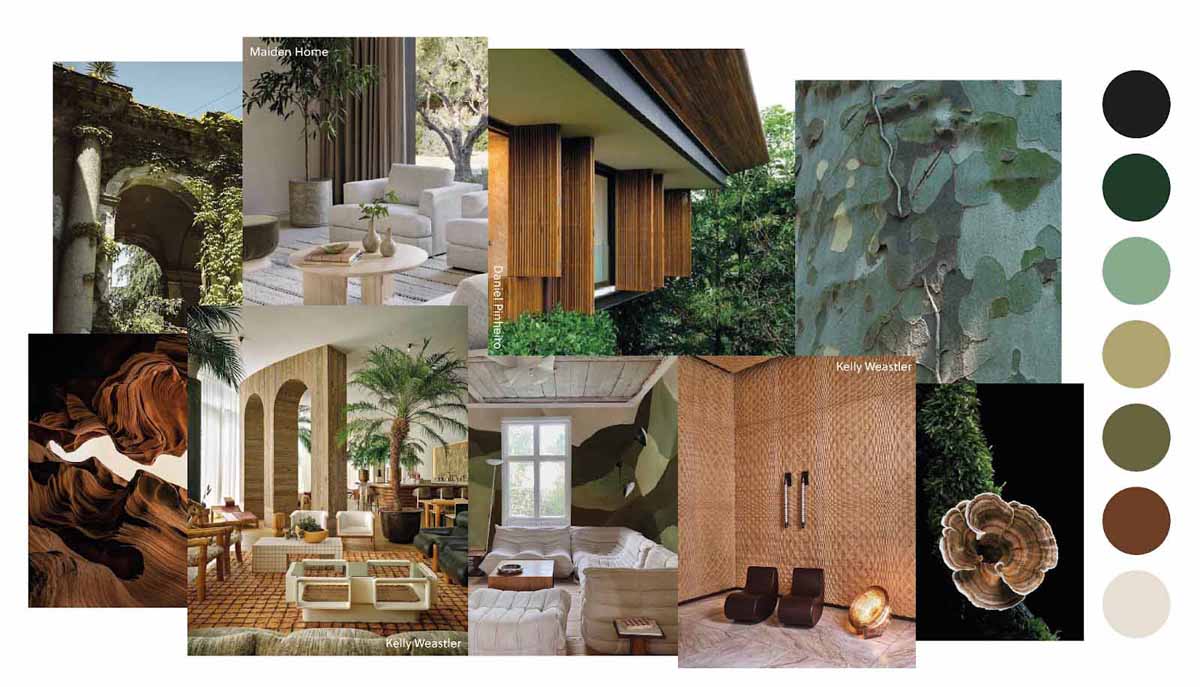
Configurable systems for design freedom
Personalisation is now standard. New Zealand projects are demanding mix‑and‑match systems that let architects control pattern, scale and finish, from custom aluminium battens to bespoke perforated metal panels and feature‑grade plasterboard details. Popular directions:
-
- Variable batten spacing and depth for rhythm and shadow play
- Custom perforation layouts to match brand motifs
- Integrated lighting, services and access panels that keep ceilings clean
Sustainability with documentation to match
Sustainability has moved from nice‑to‑have to non‑negotiable. Specifiers are favouring materials with Environmental Product Declarations (EPDs), FSC‑certified timbers, recycled content metals and low‑VOC coatings. For projects aiming at Green Star NZ, WELL or Homestar points, there is now ample choice of acoustic and lining systems that deliver performance and credentials.
Acoustic performance for wellbeing
With more hybrid work and shared spaces, acoustic comfort is decisive. Designers are balancing NRC/absorption (ceilings, panels, soft finishes) with isolation (plasterboard build‑ups, resilient mounts, seals). In practice, that looks like:
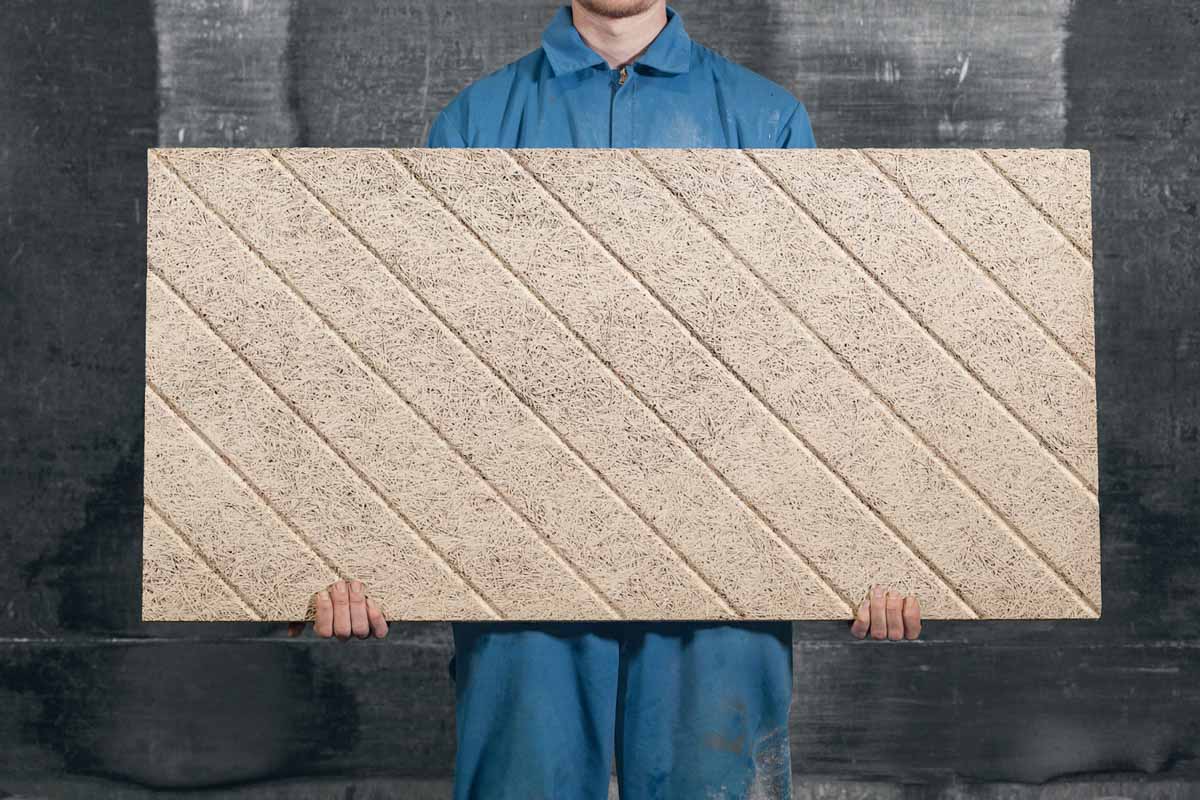
- Wood‑wool or mineral fibre ceilings over circulation and collaboration
- Perforated plasterboard with black acoustic backers in boardrooms
- Acoustic wall panels at first reflection points in classrooms and clinics
Detailing for New Zealand conditions
Auckland projects must also contend with seismic restraint, humidity and serviceability. Coordinated shop drawings and correct fixing centres for battens, grids and panels help ensure compliance with
NZ Building Code requirements and manufacturer warranties – especially for suspended ceiling systems.
How Above Board Interiors helps (Auckland)
- Design‑assist & samples: material boards, mock‑ups and acoustic targets
- Supply & install: timber battens, wood‑wool, acoustic panels, perforated & metal ceilings, plasterboard linings
- GIB® fixing & stopping: level 4–5 finishes for paint‑ready surfaces
- Seismic restraint & compliance: documentation and install to spec
- Programme & budget alignment: staging, night works and live‑site coordination
FAQs
What biophilic ceiling materials work best in NZ interiors?
Timber slats and cement bonded wood‑wool acoustic panels are standout choices for New Zealand interiors, adding natural warmth and texture while meaningfully reducing reverberation when paired with acoustic backing; both can be detailed to meet fire, acoustic and maintenance requirements, integrate with lighting and services, and are well suited to offices, education and healthcare—our team will advise on species, finish and backing to suit humidity, cleaning needs and budget.
Can Above Board supply and install acoustic systems as well as plasterboard?
Yes, Above Board delivers a single coordinated package, supply and installation of acoustic ceilings, wood‑wool panels, baffles/rafts and perforated plasterboard systems alongside GIB® fixing and high‑quality stopping for paint‑ready finishes, including set‑out, grid/framing, insulation, access panels, service integration and finishing to the specified level.
Are these materials suitable for Green Star NZ or WELL projects?
Many products we use are available with Environmental Product Declarations (EPDs), FSC or equivalent chain‑of‑custody certification, recycled content and low‑VOC finishes/adhesives, helping to support Green Star NZ and WELL pathways for material health, acoustics and biophilia; we can supply the required documentation (data sheets, certificates and VOC declarations) and align specifications with your project’s sustainability targets, noting that final credit outcomes depend on the overall design and assessment.
How do you handle seismic requirements for suspended ceilings?
For Auckland projects we coordinate ceiling weight, bracing lines, fixing centres and perimeter deflection allowances at shop‑drawing stage, provide compliant bracing, separation from services, and appropriate perimeter movement details, then install strictly to specification and relevant New Zealand standards with quality checks and recorded as‑builts to demonstrate conformance with the NZ Building Code and manufacturer guidelines.
What’s the typical programme for a commercial ceiling/wall package?
Timeframes depend on scope and lead times for custom elements, but a typical sequence is: site review and measure, coordination and shop drawings, approvals, grid or framing and service integration, plasterboard fixing and stopping, acoustic system installation, final QA and touch‑ups, and handover!