Why Bathroom Mould Keeps Coming Back
A bathroom is one of the hardest-working rooms in any home. It gets daily moisture, fluctuating heat, and repeated wet-dry cycles. If ventilation is poor, paint is failing, or the wrong wall lining has been used, mould often returns quickly after cleaning.
That is why mould is rarely just a cleaning problem. It can be linked to trapped moisture, damaged surfaces, poor prep work from an earlier renovation, or materials that are not well suited to wet areas. Our GIB fixing in Auckland includes water-resistant boards for spaces like bathrooms and laundry rooms, which matters because the lining behind the finish has a big impact on how well the room holds up over time.
Why It Matters For Your Health
Most people think about bathroom mould as a visual issue first. The health side is what often gets overlooked.
Mould releases spores into the air. In damp buildings, research has linked mould exposure with respiratory symptoms, worsening asthma, hay fever-type reactions, and skin irritation.
That does not mean every patch of bathroom mould is a major medical event. It does mean persistent mould should be taken seriously, especially if someone in the home already has asthma, allergies, or other breathing issues.
Why Repainting Alone Usually Fails
A quick repaint can make a bathroom look better for a while, but if the moisture source is still there, the mould usually returns through or around the new coating.
This is one of the biggest mistakes homeowners make. They treat the symptom, not the cause. If the ceiling is stained, if the old coating is failing, or if there is damage underneath, those issues need attention before any fresh paint goes on. That is why our house painting in Auckland always comes back to preparation. The finish only looks good long term when the surface underneath is sound and ready.
The Areas Homeowners Should Check First
If mould keeps returning in the same bathroom, start by looking at the most common trouble spots:
- ceilings above the shower or bath
- corners with poor airflow
- walls behind vanities or storage units
- failed silicone lines and damp junctions
- older linings that were never meant for wet areas
If the wall or ceiling surface feels soft, stained, swollen, or flaky, that is usually a sign the issue has gone beyond simple surface cleaning.
For bathrooms that need smoothing, re-lining, or refinishing, interior plastering and proper GIB® stopping in Auckland help create the clean, stable base that wet-area paint systems rely on. We create flawless walls and long-lasting paint adhesion, which is exactly what bathrooms need after moisture-related damage.
Cleaning Helps, But It Is Not Always The Whole Fix
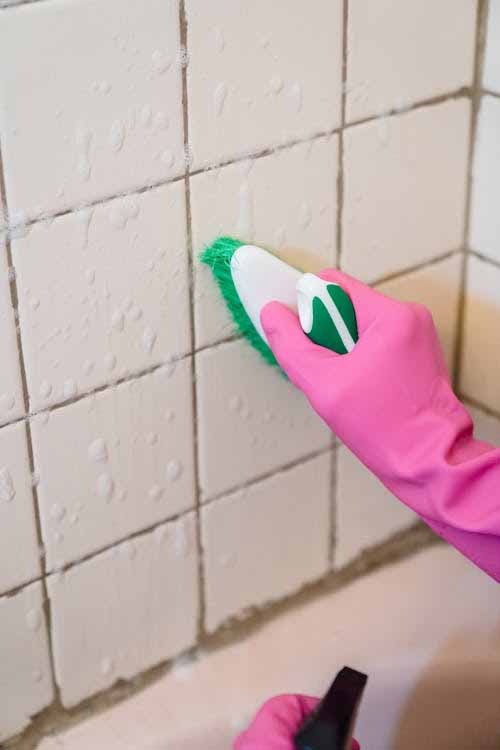
There is definitely a place for regular cleaning and maintenance. If the mould is light and recent, careful cleaning may be enough to keep things under control while you improve ventilation and monitor the area.
For homeowners dealing with marks, staining, and general surface cleaning, our blog on how to clean painted walls is a useful starting point. The key is knowing when you are looking at a surface issue and when you are looking at something deeper.
If mould keeps reappearing after cleaning, or if the paint film is failing, it is time to look beyond maintenance.
When To Bring In A Professional
We help homeowners work out what is actually causing the problem, what needs to be repaired, and what materials make the most sense for the room. Sometimes that means targeted repair work. Sometimes it means replacing damaged linings and starting again with the right system.
If your bathroom is showing signs of mould damage, get in touch with us. We can assess the condition of the walls and ceiling, recommend the right fix, and help you get the room back to a clean, durable finish that is built for everyday Auckland living.
Get in Touch